


Stainless Steel Pipes for Pulp & Paper Production: Why 2205 Duplex and 316L Are the Preferred Choices
The pulp and paper industry relies heavily on corrosion-resistant materials, as its processes involve high temperatures, chemical exposure, chloride-rich environments, and continuous mechanical stress. Today, 2205 duplex stainless steel pipe and 316L stainless steel pipe have become the dominant materials for modern pulp and paper mills—offering a balance of strength, corrosion resistance, and cost efficiency.
As a specialist manufacturer of corrosion-resistant stainless steel tubing, Ganyeah Group provides tailored material solutions to meet the long-term performance requirements of the global paper industry.
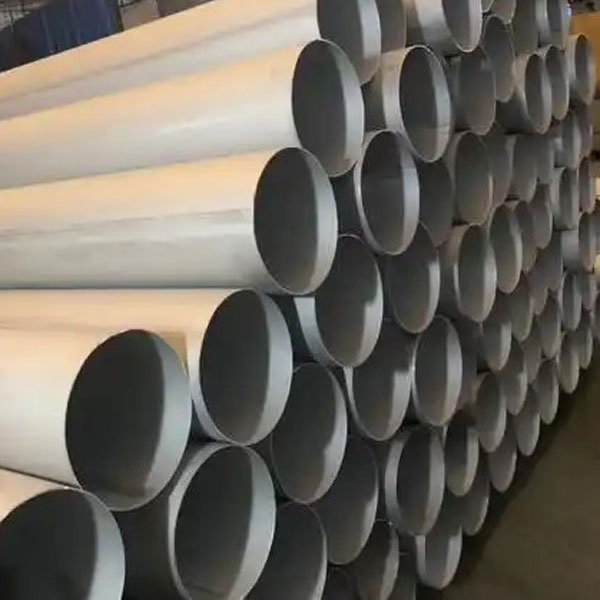
2205 stainless steel welded pipes for marine applications
1. Why Duplex Stainless Steel Is Replacing Austenitic Grades
Austenitic stainless steel has traditionally been the primary alloy used in pulp and paper manufacturing. However, the continuous increase in nickel and molybdenum prices has accelerated the industry’s shift toward duplex stainless steels such as 2205, 2304, and LDX2101.
Pioneering Use of Duplex Steels
The first industrial application of duplex stainless steel in pulp and paper production occurred in 1988 at an Australian mill, where 2205 duplex steel was used in sulfuric acid digesters. This success led to widespread adoption across:
- Batch and continuous digesters
- Oxygen delignification reactors
- Bleaching reactors
- Washing and screening equipment
- Chemical recovery systems
- Stock preparation units
- Pulp washers and paper machine components
Today, duplex stainless steel consumption in the industry continues to grow, driven by its strong performance and cost advantages.
2. Key Benefits of 2205 Duplex Stainless Steel Pipe in Pulp & Paper Plants
Higher Strength-to-Weight Ratio
2205 duplex stainless steel offers twice the strength of austenitic grades.
This allows:
- 50% reduction in equipment wall thickness compared with carbon steel
- 35% reduction compared with clad steels
The result is lower material cost, lighter equipment, reduced welding volume, and improved fabrication efficiency.
Superior Corrosion Resistance in Harsh Environments
2205 duplex steel demonstrates excellent resistance to:
- Chloride-induced corrosion
- Stress corrosion cracking (SCC)
- Acidic and oxidizing process media
- Erosion from fiber slurries
This makes it particularly suitable for high-corrosion steps such as digesting, oxygen delignification, bleaching, washing, and chemical recovery.
Improved Mechanical Durability
Grades like 2205, 2304, and LDX2101 offer very high surface hardness and wear resistance, which significantly reduces maintenance costs in washing, screening, and pulp-handling equipment.
3. Where 316L Stainless Steel Pipe Remains Essential
Although duplex stainless steel usage is increasing, 316L stainless steel pipe is still widely used due to its stable corrosion resistance and cost-effective performance.
Typical applications include:
- Sulfate-process digesters
- Washing and screening systems
- Enclosed equipment designed to reduce emissions
- Moderate-chloride process environments
316L remains an economical and reliable choice, especially where operating conditions do not require duplex’s higher strength.
4. Advanced Alloys for Highly Corrosive Bleaching Systems
Closed bleaching systems using Cl₂ or ClO₂ create extremely aggressive environments.
Here, mills often choose high-molybdenum austenitic stainless steels such as:
- 254 SMO®
- SAF2507 (super duplex stainless steel)
- 2205 duplex steel as an alternative in selected conditions
These materials provide excellent resistance to pitting, crevice corrosion, and stress corrosion cracking in modern high-efficiency bleaching plants.
5. Growing Use of Stainless Steel in Chemical Recovery
Chemical recovery tanks, liquor storage vessels, and evaporation units experience severe corrosion that quickly degrades carbon steel. As a result, mills increasingly replace carbon steel with:
- 316L stainless steel pipe
- 2205 duplex stainless steel pipe
- 2304 and LDX2101 duplex grades
These materials significantly reduce downtime, repair frequency, and total life-cycle cost.
6. How Ganyeah Group Supports the Global Pulp & Paper Industry
A large integrated pulp and paper mill typically consumes 8,000 to 10,000 tons of stainless steel, including digesters, washers, screening units, bleaching towers, recovery boilers, and paper machines.
Ganyeah Group provides:
- 2205 duplex stainless steel pipe for digesters, oxygen delignification, and bleaching
- 316L stainless steel pipe for enclosed washing and screening equipment
- 2304 and LDX2101 duplex steel pipes for wear-resistant washing and screening systems
- Customized marine-grade polished stainless steel pipes for clean paper-forming processes
- Material selection support based on process conditions
With strict quality control and international standard compliance, Ganyeah ensures stable performance and long service life across all pulp and paper applications.