


Stainless Steel for Marine Engineering: Applications in Five Key Offshore Sectors
Marine environments place demanding requirements on metal materials. Continuous exposure to seawater, chloride ions, high humidity, pressure changes and marine microorganisms can accelerate corrosion, particularly pitting and crevice corrosion.
For offshore facilities and marine equipment, material selection directly affects service life, maintenance frequency and operating costs. Stainless steel for marine engineering therefore covers several grades, each suited to different combinations of corrosion exposure, mechanical loading and temperature.
Among the commonly considered materials, 316L offers good corrosion resistance in many atmospheric and marine applications, while 2205 duplex and 2507 super duplex stainless steel provide higher strength and improved resistance to localized corrosion in more demanding environments.
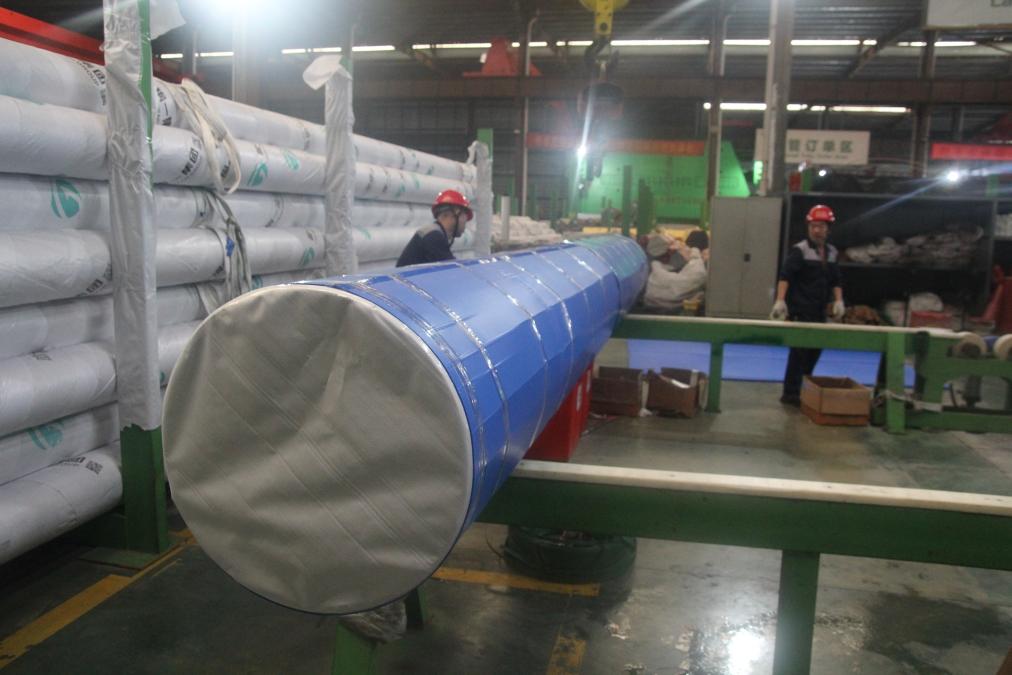
Marine stainless steel pipings supplied by Ganyeah Group
Five Major Marine Engineering Applications
1. Offshore Oil and Gas Platforms and FPSO Vessels
Offshore platforms and FPSO units contain different operating zones, including exposed deck equipment, ballast tanks, seawater cooling systems and subsea risers.
316L stainless steel: Commonly considered for deck equipment, fittings and components exposed to marine atmospheres.
2205 duplex stainless steel: Suitable for many ballast tank structures and seawater cooling systems, combining higher strength with improved resistance to chloride-related corrosion.
2507 super duplex stainless steel: Used in demanding subsea and injection piping applications where high pressure and severe seawater exposure require stronger corrosion resistance.
The appropriate grade depends on water depth, pressure, temperature, seawater chemistry and design requirements.
2. Seawater Desalination Equipment
Reverse osmosis (RO) and multi-stage flash (MSF) desalination systems expose components to concentrated brine, high chloride levels and, in some processes, elevated temperatures.
Typical material considerations include:
2205: Low-pressure seawater lines and supporting structures.
2507: High-pressure pumps, piping and components exposed to highly concentrated chloride solutions.
904L: Selected heat-transfer and process equipment where its corrosion resistance is suitable for the operating conditions.
For desalination plants, choosing the right stainless steel can help reduce corrosion-related maintenance and unplanned shutdowns.
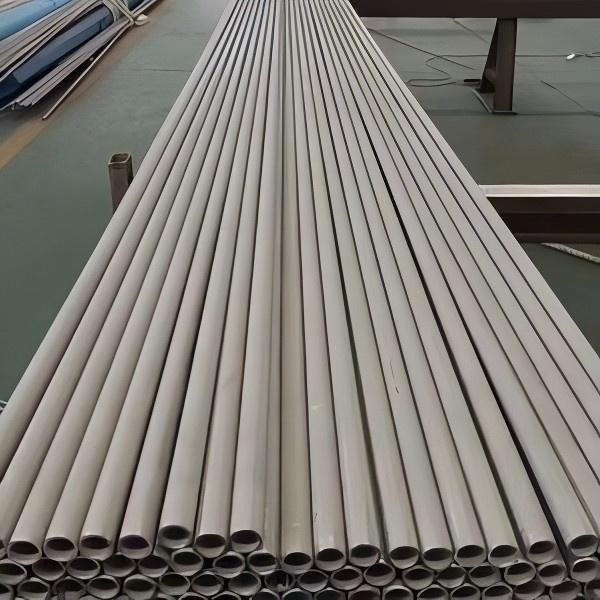
316L stainless steel pipes for marine applications used in shipbuilding, LNG carriers and offshore engineering manufactured by Ganyeah Group
3. Subsea Pipelines and Cross-Sea Networks
Subsea pipelines face combined challenges from hydrostatic pressure, sediment abrasion, seawater corrosion and possible microbial activity. Where the transported medium contains hydrogen sulfide or other corrosive substances, material selection becomes even more critical.
2205 duplex stainless steel may be considered for certain shallow-water applications. For deeper water or more aggressive service, 2507 super duplex stainless steel and appropriately designed clad or lined pipe solutions may offer advantages.
The final choice should consider pipeline design pressure, corrosion allowance, welding procedures and applicable project specifications.
4. Offshore Wind Turbines
Offshore wind farms require corrosion-resistant materials for exposed fasteners, tower components, cooling systems and auxiliary equipment.
2205 duplex stainless steel is a material option for selected splash-zone fasteners and seawater cooling components. Its combination of strength and chloride corrosion resistance can help address the repeated wetting and drying conditions common in offshore installations.
Material grade, surface condition, fabrication quality and installation practices all influence long-term performance.
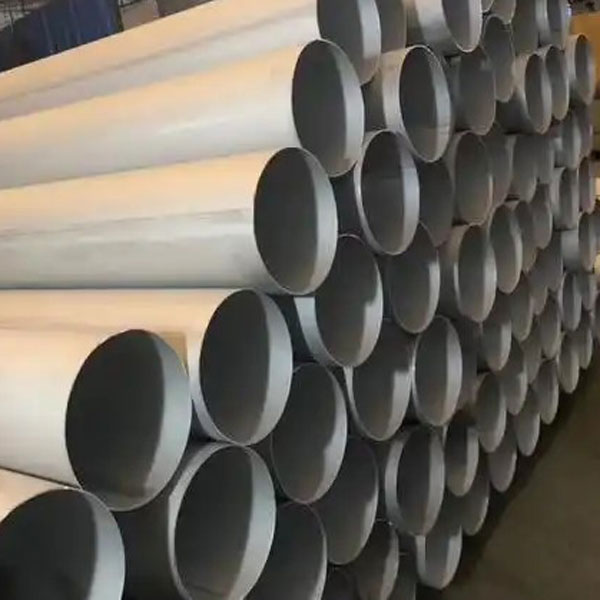
2205 stainless steel welded pipes for marine applications
5. Marine Vessels and LNG Carrier Systems
Stainless steel is also used in shipboard seawater cooling systems, heat exchangers and LNG-related equipment.
2205 duplex stainless steel is considered for seawater cooling pipes and heat-exchange components. For LNG-related applications, low-temperature toughness must be evaluated alongside corrosion resistance. 2507 may be suitable for selected components, but the grade must be qualified against the actual minimum design temperature and relevant impact-test requirements.
Choosing the Right Stainless Steel Grade
| Stainless Steel Grade | Typical Marine Applications | Main Considerations |
| 316L | Deck equipment, fittings and selected marine piping | General corrosion resistance |
| 2205 Duplex | Ballast tanks, seawater systems and offshore components | Strength and chloride resistance |
| 2507 Super Duplex | Subsea piping and demanding seawater equipment | High strength and localized corrosion resistance |
| 904L | Selected desalination and chemical process equipment | Corrosion resistance in suitable process media |
No single grade is suitable for every marine environment. Chloride concentration, temperature, pressure, stress conditions, fabrication and welding quality should all be assessed before material approval.
Ganyeah Group: Stainless Steel Materials for Marine Projects
Ganyeah Group provides stainless steel material solutions for industrial applications where corrosion resistance, mechanical properties and material traceability are important.
For marine engineering projects, material selection may involve 316L, 2205 duplex, 2507 super duplex and 904L, depending on the service environment and technical specifications. Available product forms can be considered for piping, heat exchangers, structural components and equipment manufacturing.
For project-specific inquiries, Ganyeah Group can work with customers to review grade requirements, dimensions, applicable standards, inspection needs and material documentation. This helps ensure that the selected material is aligned with the intended operating conditions rather than relying on grade selection alone.
If your project involves offshore platforms, seawater desalination, subsea pipelines or marine equipment, contact Ganyeah Group to discuss the required stainless steel materials and technical specifications.
Frequently Asked Questions
1.Which stainless steel is commonly used in marine environments?
316L is used in many marine atmospheric applications. For more aggressive seawater exposure, 2205 duplex or 2507 super duplex stainless steel may be considered.
2.What is the difference between 2205 and 2507 stainless steel?
Both are duplex stainless steels. 2507 has higher alloy content and generally provides stronger resistance to pitting and crevice corrosion, making it suitable for more demanding environments.
3.Is 316L suitable for subsea pipelines?
It may be suitable for certain controlled conditions, but long-term exposure to seawater, pressure and crevice conditions can create significant corrosion risks. A project-specific corrosion assessment is essential.
4.What information is needed when sourcing stainless steel for marine engineering?
Key information includes the material grade, product form, dimensions, design temperature and pressure, seawater or process-medium conditions, applicable standards and inspection requirements.