


Indonesia’s 2026 Nickel Policy Adjustment and Its Impact on the Global Stainless Steel Supply Chain
On January 8, 2026, Indonesia’s Minister of Energy and Mineral Resources, Bahlil Lahadalia, announced that the government is reviewing and adjusting the 2026 Mineral Work Plan and Budget (RKAB) in line with global commodity price movements.
The policy may include controlled reductions in output for selected commodities, with nickel emerging as the central focus.
For global stainless steel manufacturers and material suppliers like Ganyeah Group, this policy direction reflects a broader shift toward supply discipline, downstream balance, and long-term sustainability in the nickel market.
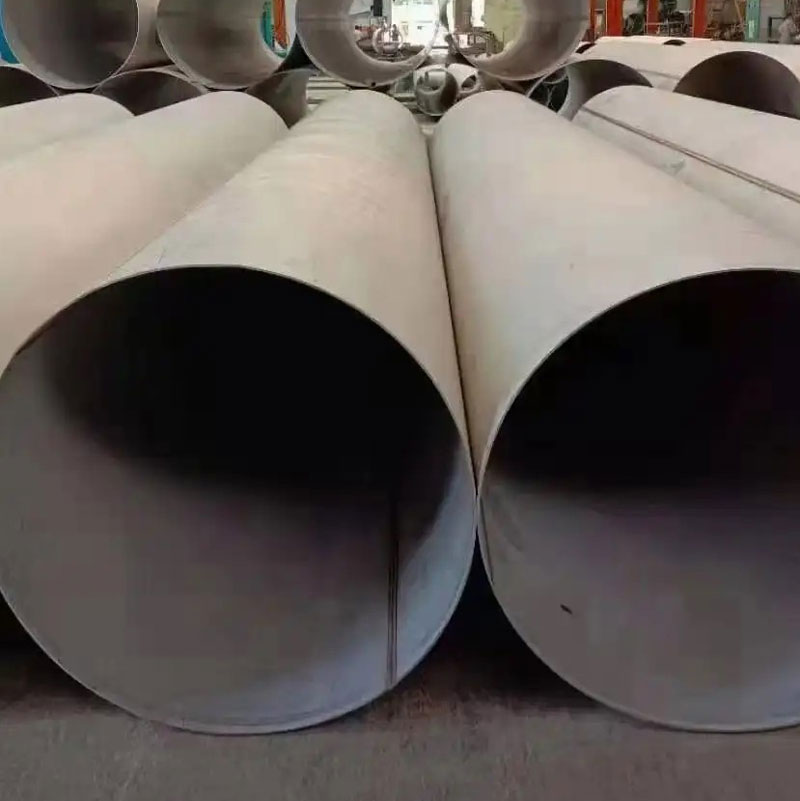
316L stainless steel welded pipes producted by Ganyeah
Nickel at the Core of Indonesia’s Downstream Strategy
Nickel plays a strategic role in Indonesia’s national downstream development plan. Rather than prioritizing production volume alone, the 2026 RKAB adjustment aims to match nickel ore output with actual smelting and processing capacity.
According to Minister Bahlil, nickel production will be calibrated based on real downstream demand, ensuring that supply chains operate efficiently and fairly-without excessive inventory pressure or speculative oversupply.
This measured approach supports:
- Stable nickel pricing mechanisms
- Healthier margins for downstream processors
- Long-term resilience of the nickel and stainless steel industries
Fair Growth: Protecting Local Enterprises Alongside Major Investors
A key message from the Indonesian government is that downstream development should not benefit large investors alone. The revised policy framework emphasizes greater participation from local mining permit holders, particularly regional and domestic enterprises.
The objective is to foster:
- Cooperative growth between international investors and local companies
- Balanced value distribution across the nickel supply chain
- Sustainable regional industrial development
This philosophy aligns closely with Ganyeah Group’s sourcing strategy, which prioritizes stable, compliant, and diversified raw material supply rather than short-term cost volatility.
Implications for Stainless Steel Raw Materials
Nickel is a critical alloying element in austenitic stainless steel grades, including 304, 316, and high-performance nickel-bearing alloys. Any policy shift in Indonesia—the world’s largest nickel producer-has direct implications for:
- Nickel unit pricing trends
- Stainless steel melt cost structures
- Long-term contract stability for stainless steel pipes, tubes, and fittings
By linking production more closely to downstream demand, Indonesia’s policy is expected to reduce extreme price swings, benefiting end users in industries such as energy, chemical processing, food & beverage, and marine engineering.
How Ganyeah Group Responds to Market Changes
As a global supplier of stainless steel pipes, tubes, fittings, and flanges, Ganyeah Group closely monitors upstream raw material policies and global nickel market developments.
Our response includes:
- Strategic sourcing from compliant and diversified nickel-based material channels
- Flexible production planning to mitigate raw material volatility
- Long-term supply stability for international customers
This approach allows Ganyeah Group to deliver consistent quality, predictable lead times, and competitive pricing, even amid global policy adjustments.
Indonesia’s evolving nickel policy marks an important step toward balanced industrial development and supply chain stability. For companies like Ganyeah Group, it reinforces the value of responsible sourcing, long-term partnerships, and supply chain resilience-key factors that ultimately benefit global stainless steel customers.