


Common Methods for Cutting Stainless Steel Pipes: Applications, Pros, and Cons
Cutting stainless steel pipes is a critical step in fabrication and installation. Different cutting methods offer distinct advantages depending on pipe material, wall thickness, precision requirements, and production scale.
At Ganyeah Group, we not only supply high-quality stainless steel pipes but also help customers select suitable processing solutions to ensure efficiency, accuracy, and cost control throughout their projects.
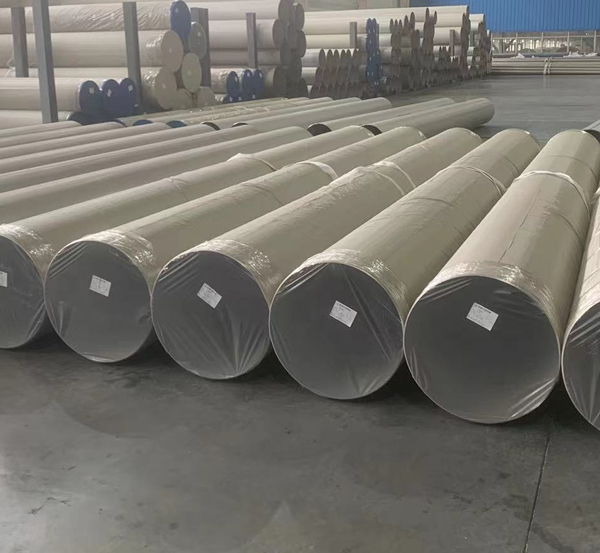
AP grade stainless steel tubes for petrochemical pipelines
Abrasive Wheel Cutting
Principle:
A high-speed rotating abrasive wheel is used to cut through the stainless steel pipe.
Advantages:
- Simple operation
- Low equipment cost
- Suitable for stainless steel pipes with standard wall thickness
Limitations:
- Burrs may remain on the cutting edge
- Additional deburring or finishing is usually required
Abrasive wheel cutting is commonly used for basic fabrication where ultra-high precision is not required.
Laser Cutting
Principle:
A focused laser beam generates intense heat to melt and cut stainless steel with high accuracy.
Advantages:
- Extremely high cutting precision
- Smooth and clean cutting edges
- Minimal post-processing required
- Suitable for various stainless steel pipe sizes and grades
Limitations:
- High equipment investment
- More suitable for large-scale or automated production
Laser cutting is ideal for projects that demand tight tolerances and premium edge quality.
Plasma Cutting
Principle:
An automated plasma cutting system uses ionized gas to produce high temperatures that rapidly melt stainless steel.
Advantages:
- Fast cutting speed
- High efficiency for thick stainless steel pipes
Limitations:
- Oxidation layer may form on the cut surface
- Slight discoloration and rough edges may occur
- Additional surface treatment may be needed
Plasma cutting is often chosen for heavy-duty industrial applications where speed is a priority.
Mechanical Cutting
Principle:
Mechanical equipment such as band saws or circular saws is used to cut stainless steel pipes.
Advantages:
- Suitable for thick-wall stainless steel pipes
- Stable and efficient cutting performance
Limitations:
- Burrs may appear on cut surfaces
- Higher labor input compared to automated methods
Mechanical cutting remains a reliable option in workshops and fabrication facilities.
Waterjet Cutting
Principle:
High-pressure water, sometimes combined with abrasives, is used to cut stainless steel pipes without heat.
Advantages:
- Smooth cutting surface
- No heat-affected zone
- Environmentally friendly cutting process
- Suitable for all pipe thicknesses and materials
Limitations:
- High equipment and maintenance costs
- Not always practical for small-scale operations
Waterjet cutting is preferred when thermal distortion must be avoided.
Manual Saw Cutting
Principle:
Stainless steel pipes are cut using handheld saw tools.
Advantages:
- Flexible and easy to use
- Suitable for small diameters and simple cutting tasks
Limitations:
- Low efficiency
- Not suitable for thick-wall stainless steel pipes
Manual cutting is typically used for minor adjustments or on-site work.
Choosing the Right Stainless Steel Pipe Cutting Method
The best cutting method depends on several factors, including:
- Stainless steel pipe grade and hardness
- Wall thickness and diameter
- Required cutting accuracy
- Production volume and budget
By selecting the appropriate cutting process, manufacturers can improve efficiency while maintaining the quality of stainless steel pipe components.
Ganyeah Group Stainless Steel Pipe Solutions
Ganyeah Group supplies a wide range of stainless steel pipes suitable for various cutting and fabrication methods. With stable material quality and consistent dimensions, our pipes help customers achieve reliable cutting performance and high-quality finished products across industries such as construction, energy, chemical processing, and manufacturing.