


310S vs. 309S Stainless Steel: Key Differences for High-Temperature Industrial Applications
When selecting heat-resistant stainless steel for demanding industrial environments, 310S stainless steel and 309S stainless steel are two commonly compared grades. Both belong to the austenitic heat-resistant stainless steel family, yet their chemical composition, temperature resistance, corrosion performance, and cost-effectiveness differ in meaningful ways.
At Ganyeah Group, we help global clients choose the right stainless steel material based on real operating conditions. This guide explains the practical differences between 310S vs. 309S stainless steel to support smarter material selection and long-term performance.
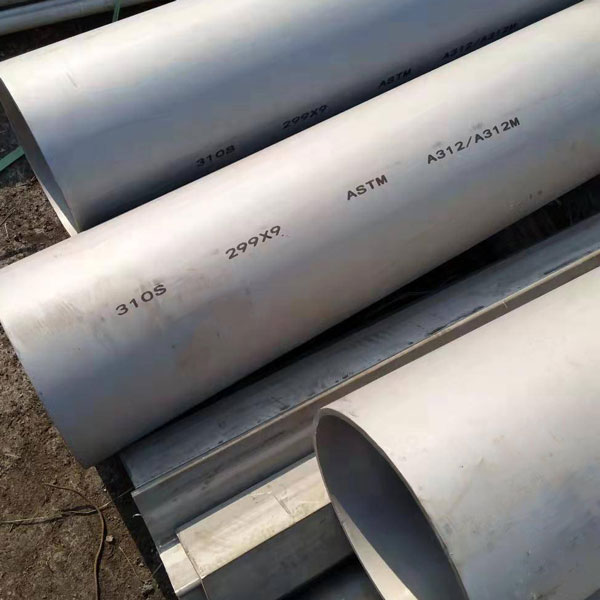
310S stainless steel pipes for high temperature industrial applications
Chemical Composition Comparison of 310S and 309S Stainless Steel
The most significant difference between 310S and 309S lies in their chromium and nickel content, which directly affects heat resistance and corrosion behavior.
- 310S stainless steel
- Chromium (Cr): 24.00–26.00%
- Nickel (Ni): 19.00–22.00%
- Carbon (C): ≤ 0.08%
- 309S stainless steel
- Chromium (Cr): 22.00–24.00%
- Nickel (Ni): 12.00–15.00%
- Carbon (C): ≤ 0.08%
The higher chromium and nickel content in 310S stainless steel provides stronger oxidation resistance and structural stability at elevated temperatures, making it suitable for extreme service conditions.
High-Temperature Performance: 310S vs. 309S
Temperature capability is often the deciding factor when choosing between these two grades.
- 310S stainless steel for high-temperature applications
- Continuous service temperature: up to 1150°C
- Maximum intermittent temperature: 1200°C
- Excellent oxidation resistance at extreme heat
- 309S stainless steel for heat-resistant applications
- Suitable for repeated heating below 980°C
- Maximum operating temperature: around 1000°C
- Optimized for mid-to-high temperature use with lower alloy cost
For applications exceeding 900°C, especially where long-term stability is critical, 310S stainless steel is the preferred choice.
Corrosion Resistance in Harsh Environments
Both grades perform well in oxidizing environments, but their resistance differs under aggressive conditions.
- 310S stainless steel corrosion resistance
- Superior performance in sulfur-containing atmospheres
- Better resistance to high-temperature oxidation and scaling
- Ideal for chemically aggressive and extreme heat environments
- 309S stainless steel corrosion resistance
- Reliable in most industrial atmospheres
- Slightly reduced performance in sulfur-rich or extreme heat conditions
When corrosion and oxidation risks increase at elevated temperatures, 310S stainless steel offers greater safety margins.
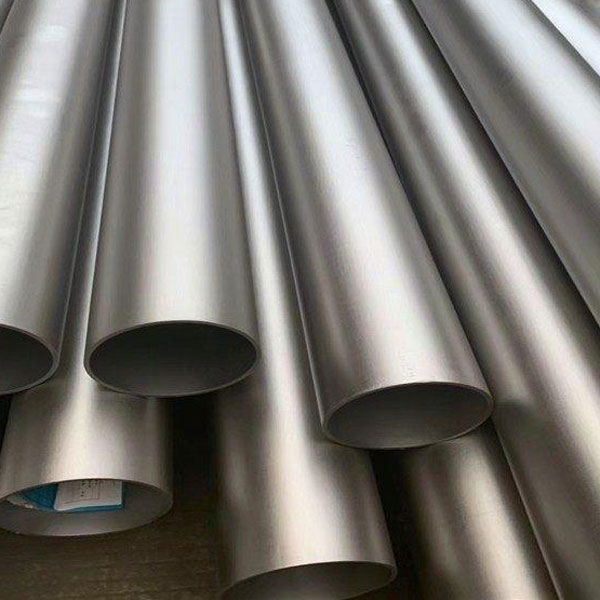
309S stainless steel pipes
Typical Applications of 310S and 309S Stainless Steel
310S stainless steel applications
- High-temperature furnace chambers
- Heat treatment equipment
- Combustion chambers
- Aerospace and nuclear industry components
- Sulfur-containing high-temperature environments
309S stainless steel applications
- Industrial furnaces operating at 800–900°C
- Heat exchangers
- Burners and thermal processing equipment
- Cost-sensitive high-temperature systems
How to Choose Between 310S and 309S Stainless Steel
From an engineering and cost perspective:
- Choose 310S stainless steel when:
- Operating temperature exceeds 900°C
- The environment is corrosive or sulfur-containing
- Long service life under extreme heat is required
- Choose 309S stainless steel when:
- Operating temperature is 800–900°C
- Cost control is important
- The application requires balanced performance and economy
Ganyeah Group: Your Reliable Partner for Heat-Resistant Stainless Steel
As a trusted supplier of heat-resistant stainless steel pipes, tubes, and fittings, Ganyeah Group provides professional material guidance, stable quality control, and global export experience. Whether your project requires 310S stainless steel for extreme temperatures or 309S stainless steel for cost-effective heat resistance, our technical team is ready to support your selection.
📩 Contact Ganyeah Group today to discuss your operating conditions and receive a tailored material solution.